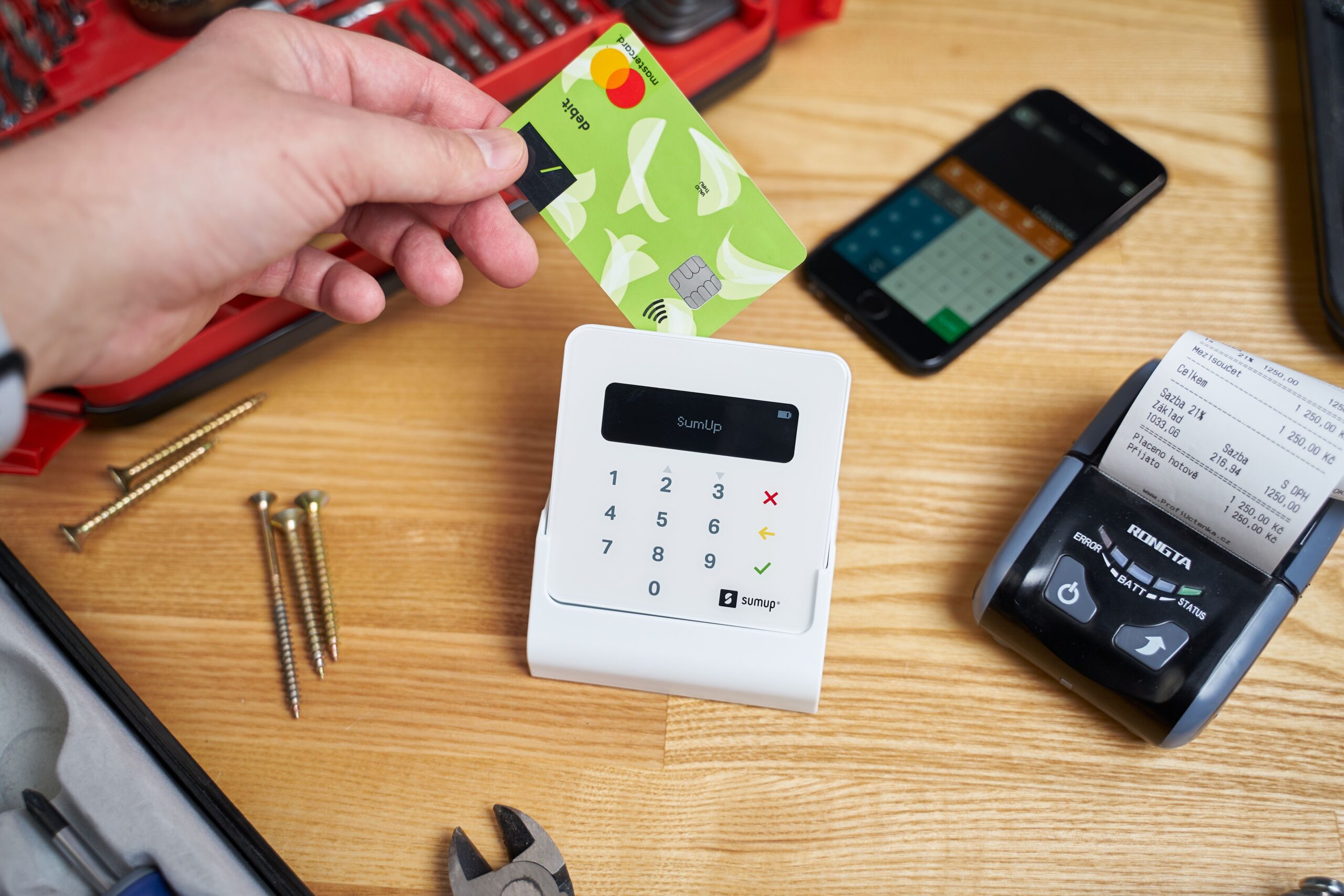
Banking used to be something you had to make time for. Today, it can happen in the middle of whatever you are already doing. That shift may sound simple, but it changes the way I think about everyday money management. Instead of planning a trip to a branch, waiting for a transaction to process, or keeping track of every payment manually, digital banking puts many routine financial tasks within reach through a smartphone or computer.
The real advantage is not simply that banking has become digital. It is that many small inconveniences have quietly disappeared. For me, convenience is one of the strongest reasons people adopt digital banking. Security, broader financial services, and better access to account information certainly matter, but convenience is what users experience repeatedly. Every time a transfer takes seconds instead of minutes, a bill is paid automatically, or a card can be temporarily locked from a phone, the benefit becomes tangible.
Digital banking has also changed expectations. Customers increasingly expect financial services to work around their schedules rather than forcing them to work around banking hours. That expectation has pushed banks to develop mobile apps, online platforms, instant payment systems, automated services, and account controls that make routine transactions easier to manage.
The important point is that digital banking does not eliminate the need to think about money. It simply removes some of the unnecessary friction involved in handling it.
Key Ways Digital Banking Adds Convenience
There are several reasons digital banking feels considerably easier than traditional banking for everyday transactions. Some are obvious, such as being able to transfer money from a phone. Others are less noticeable but equally useful, such as receiving real-time notifications or controlling a card without calling customer service.
In my view, the biggest improvements come from giving customers more control over when, where, and how they handle routine financial tasks. The following features illustrate why digital banking has become such an important part of modern money management.
24/7 Availability
One of the most noticeable advantages of digital banking is availability. A physical bank branch operates according to a schedule, while a digital banking platform can generally be accessed at any time, including evenings, weekends, and holidays. That difference matters when an unexpected payment needs to be made or a balance needs to be checked outside normal business hours.
I find this particularly useful for transactions that cannot always wait until the next working day. Checking whether a payment has gone through, reviewing recent activity, moving money between accounts, or making a transfer can often be handled immediately. The ability to manage these tasks when they are actually needed removes a surprisingly large amount of friction from everyday banking.
Instant Payments and Transfers
Waiting for money to move between accounts can be frustrating, especially when the transaction is time-sensitive. Digital banking has made many payments and transfers significantly faster, with some services processing transactions almost immediately depending on the bank, payment network, destination, and transaction type.
The convenience goes beyond speed. A digital banking app usually lets users initiate a transfer, select a recipient, review the amount, and confirm the transaction without visiting a branch. When I need to send money to someone, paying a service provider, or move funds between accounts, being able to complete the process from one screen makes the task feel much less complicated.
Of course, “instant” should not be interpreted as universal. Processing times still vary between banks and payment systems. Some transfers may take longer because of weekends, security checks, cut-off times, or the receiving institution. Still, the broader trend is clear: digital banking has dramatically reduced the amount of waiting involved in many routine transactions.
Automated Bill Pay
Bills are easy to forget because they are usually repetitive. Rent, subscriptions, utilities, internet services, and other recurring expenses can arrive at different times throughout the month, making manual payment management unnecessarily tedious.
Automated bill pay addresses that problem by allowing recurring payments to be scheduled in advance. Once properly configured, the system can handle eligible payments according to the selected schedule, reducing the need to remember every due date. I consider this one of the most practical digital banking features because its value comes from preventing a small task from becoming a recurring mental burden.
There is still a reason to monitor automated payments. An account needs sufficient funds, payment amounts can change, and subscriptions may continue longer than expected. Automation works best when it removes repetitive work without removing financial awareness. Digital banking makes that balance easier by allowing users to review scheduled and completed transactions from their account.
Mobile Deposits
Depositing a check traditionally meant finding a branch or an ATM that supported deposits. Mobile deposit changes that experience by allowing eligible customers to submit a check through their bank’s mobile application using the phone’s camera.
The process can be remarkably straightforward. A user typically enters the required information, photographs the front and back of the check according to the bank’s instructions, and submits it electronically. The bank then reviews the deposit before making the funds available according to its applicable policies.
Mobile deposits may not be relevant to everyone, especially in places where checks are rarely used. Even so, the feature demonstrates an important principle behind digital banking: a transaction does not always need a physical location. When a banking service can be completed securely from a device that people already carry, an entire trip can become unnecessary.
Card & Account Control
Digital banking is not limited to moving money. It also gives users more direct control over their cards and accounts. Many banking apps allow customers to view transactions, monitor balances, manage certain card settings, receive transaction alerts, and, depending on the institution, temporarily lock or unlock a card. These controls can be particularly useful when a card is misplaced or when a user wants to investigate an unfamiliar transaction before taking further action.
I think this is one of the areas where digital banking feels genuinely empowering. Instead of treating the bank as a place you contact whenever something happens, the app becomes a control center for everyday account management. Users can see what is happening and respond more quickly, while notifications can provide an additional layer of awareness.
Why Convenience Matters in Everyday Banking?
Convenience is sometimes dismissed as a minor benefit, but repeated small improvements can have a substantial effect on how people manage their finances. Saving five minutes on one transaction may not seem important. Saving those five minutes across dozens of transactions over a year is different.
Digital banking also reduces the number of physical steps involved in routine tasks. A traditional process might require traveling somewhere, waiting in line, filling out paperwork, speaking with an employee, and waiting for processing. A digital process can sometimes be completed in a few taps. The underlying financial transaction may be similar, but the customer’s experience is completely different.
This matters particularly for people with busy schedules. Students, workers, business owners, parents, and anyone managing several financial commitments can benefit from having routine banking services available without requiring a separate trip. The less effort a simple financial task requires, the easier it becomes to keep up with it consistently.
Convenience Does Not Mean Ignoring Security
There is an important caveat. A convenient banking experience is only useful when customers use it responsibly. Digital banking involves sensitive financial information, so users should protect their accounts with strong passwords or passcodes, enable available security features, keep banking applications updated, and avoid sharing authentication information.
Transaction notifications are also worth enabling when available because they can make unusual activity easier to notice. I would not recommend judging a digital banking service purely by how fast it processes transactions. Security controls, reliability, transparency, customer support, and the ability to resolve problems matter just as much. The best digital banking experience combines speed with safeguards rather than sacrificing one for the other.
The Broader Impact of Digital Banking
What makes digital banking interesting is not any single feature. It is the way multiple features work together. A customer can check a balance, receive a payment notification, transfer money, pay a bill, and manage a card without switching to a completely different environment. Each individual action may seem small, but together they create a much smoother financial workflow.
This also changes the relationship between customers and banks. Instead of interacting with a bank only when a major financial decision occurs, customers can manage their accounts continuously. Information becomes more accessible, transactions become easier to track, and routine financial decisions can happen closer to the moment they are needed.
That does not mean traditional banking has become irrelevant. Certain situations still require human assistance, specialized services, or in-person support. Digital banking simply handles a growing share of the routine work that once required physical interaction.
What Makes a Digital Banking Experience Truly Convenient?
Not every banking app delivers the same level of convenience. A long list of features does not automatically create a good experience. For me, usability is just as important as functionality. A banking application should make common actions easy to find, explain transactions clearly, provide understandable notifications, and minimize unnecessary steps.
If users need to navigate through several confusing menus just to make a simple transfer, having the feature does not necessarily make banking more convenient. Reliability matters too. An application that is beautifully designed but frequently unavailable can quickly become frustrating. Digital banking convenience depends on the entire experience, from login and authentication to transaction confirmation and customer support when something goes wrong.
The strongest platforms therefore focus on reducing friction without making financial information harder to understand. Convenience should make banking simpler, not make users less aware of what is happening with their money.
Final Thoughts
Digital banking makes everyday transactions more convenient by moving routine financial tasks closer to the user. 24/7 availability removes the limitations of branch hours, faster payments reduce waiting, automated bill pay takes repetitive work off the user’s plate, mobile deposits can eliminate unnecessary trips, and card and account controls provide greater visibility and control.
What I find most valuable is the cumulative effect. No single feature completely changes banking on its own, but together they make ordinary financial tasks faster, more accessible, and easier to manage. The goal is not simply to put a bank inside a smartphone. It is to make everyday money management fit more naturally into everyday life.
As digital banking continues to evolve, convenience will likely remain one of the qualities users notice first. The real question is no longer whether banking can be done digitally, but how well those digital services can make financial tasks easier without compromising security, clarity, and control.